Kruger National Park
The world famous Kruger National Park is the largest game reserve in South Africa and one of the finest wildlife sanctuary on the planet. The park is nearly two million hectares of unfenced African wilderness, in which ten thousands of mammal species roam free than in any other game reserve.
Kruger National Park is located in the North Eastern region of South Africa, covering two of the most popular provinces in the country that is the Limpopo and the Mpumalanga Provinces.
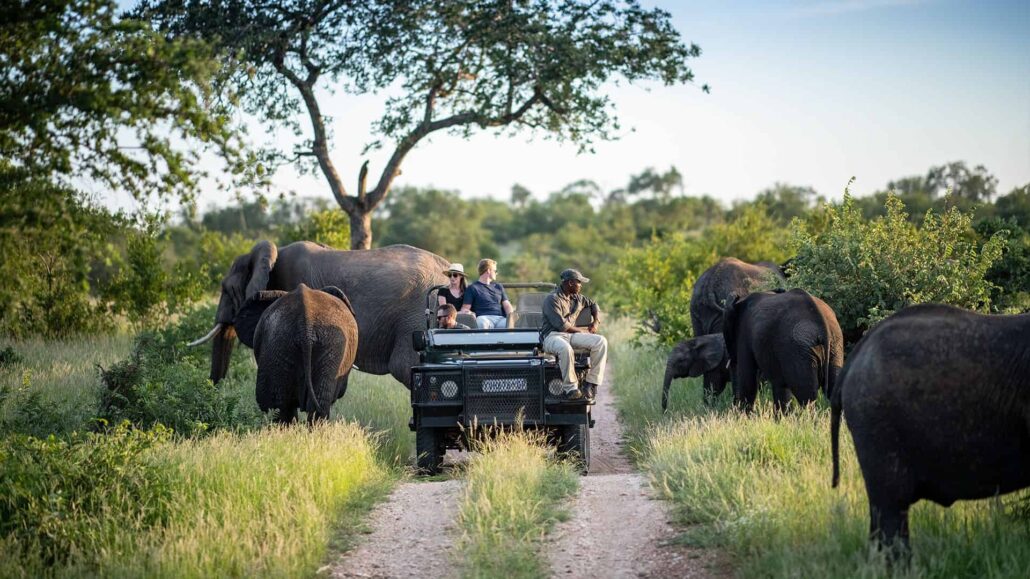
Kruger as a protected was first established in the year 1898 by the then president of the Transvaal Paul Kruger, it was at first called the Sabie Game Reserve. During the colonial era in South Africa the wild animals in the Lowveld area had no protection from the poachers and the first warden for the Park was a colonialist in the names of James Stevenson – Hamilton. By then it was still called the Sabie but after the merging of the Sabie Game Reserve and the Shinwedzi Game Reserve in the year 1927, the name was later changed to Kruger National Park.
Wildlife in Kruger National Park
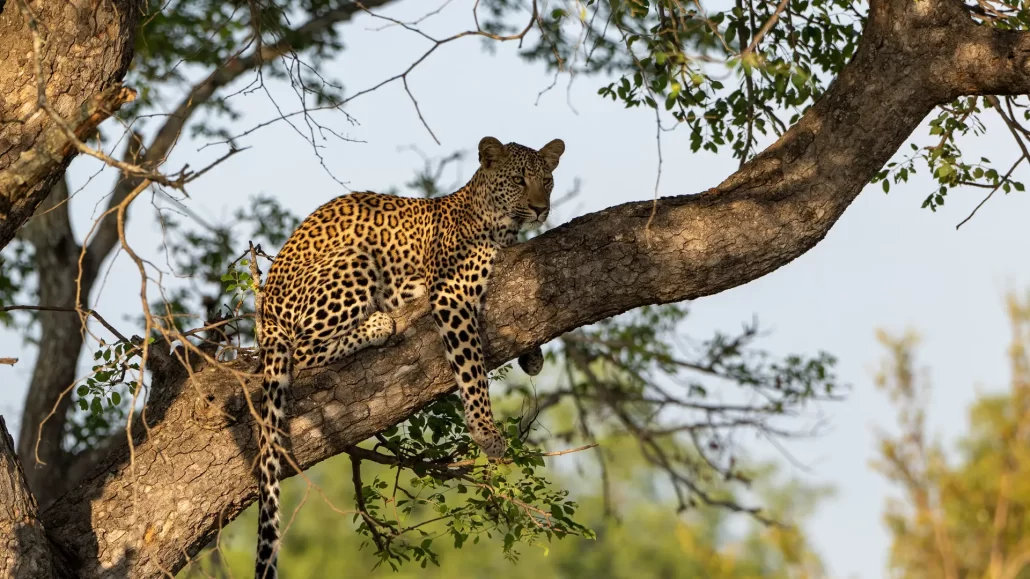
Kruger National Park hosts an abundance of wildlife, thriving in the savannah plains dotted with acacia trees and the flowing yellow grass. Kruger wildlife include rhinos, leopards, elephants, spotted hyenas, giraffe, hippo, lion, zebras, black-backed jackal, kudu, cheetah, buffalo, vervet monkeys, wild dogs, warthogs and warthogs among others.
Birdlife in Kruger National Park
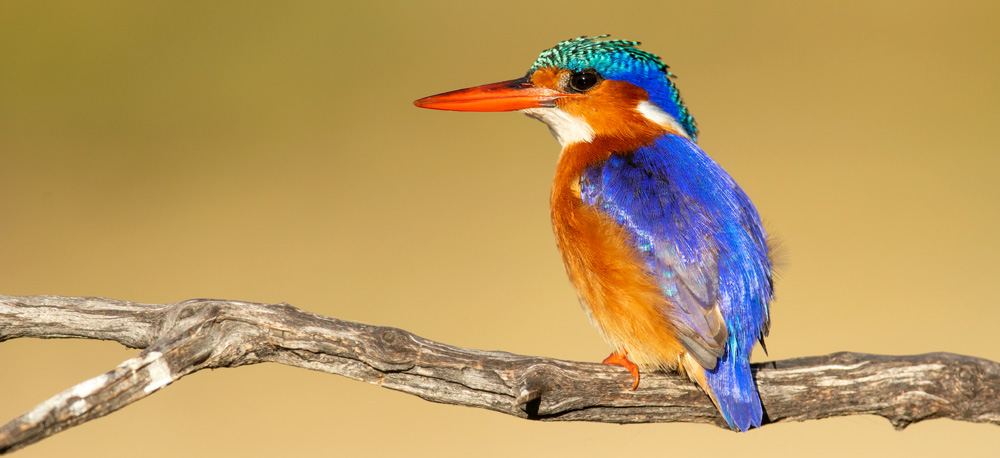
Kruger National Park is one of the Important Biding Areas in Southern Africa with over 500 bird species, which is almost half of the bird population in South Africa. Kruger’s birdlife include the largest population of birds of prey and 50 of them are migratory birds.
Birds in Kruger National Park include Tawny eagle, Pel’s fishing owl, Lilac breasted roller, Yellow billed oxpecker, Bateleur, Saddle billed stork, Thrush nightingale, Kori Bustard, Martial eagle, Swainson’s spurfowl, Brown headed parrot, White headed vulture, Lappet-faced vulture, Southern ground hornbill, African finfoot, Greater blue eared starling, Bearded scrub robin, Thick billed cuckoo among other species.
Safari Activities to do in Kruger National Park
Game Viewing
Kruger game drives offers visitors an opportunity to get closer to wildlife in the park, game viewing drives are offered as morning drives, sunset drives, night drives and all-day drives.
Morning Drives – leave half an hour before the official gate opening times, which vary according to the time the year, meaning you will be the only guests driving around at the time. The duration of morning game drives is 3 to 3.5 hours and you will be able to watch the sunrise over unspoilt.
Sunset Drives – These drives leave the camp or lodge before dusk and return after sunset lasting around three hours, searching for grazers in the cool afternoon and predators starting their nightly hunts. Sunset is a time when nocturnal animals emerge and a drive during this period is the perfect opportunity to witness the beauty of the bush as it changes from day to night.
Night Drives – The only way to see nocturnal animals in Kruger National Park is on night drives departing at either 19:30 or20:00 depending on the time of year and lasts for around two hours. With your experienced guides, you will spy on Kruger’s nocturnal creatures and their secretive activities. The night drives also offer a wonderful opportunity to view the star filled sky away from the city lights.
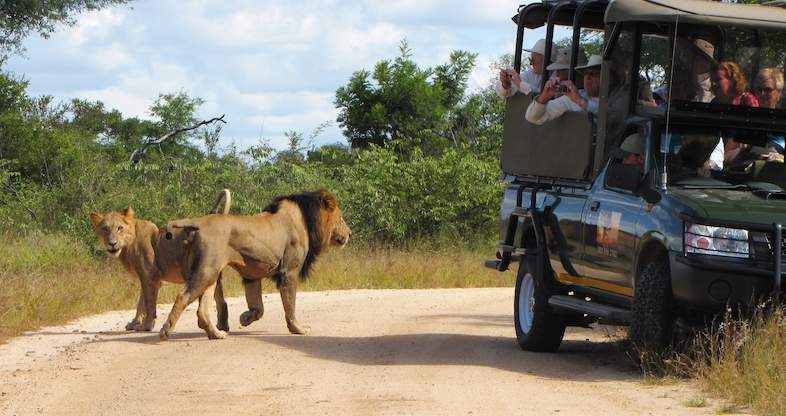
All Day Drives – Full day game drives in Kruger National Park are available upon request, allowing visitors for fully explore the park for the entire day.
Generally, animals to lookout for on game viewing drives in Kruger National Park include Steenbok, Impalas, common duiker, Wild dogs, Black rhinos, white rhinos, Hyenas, Zebras, Leopards, Lion, Wildebeest, Waterbucks, Hippos, Elephants, Giraffes and African civet among others.
Birding
Kruger National Park is a world-renowned birding destination boasting over 500 bird species including the big six birds; Martial Eagle, Saddle-billed Stork, Kori Bustard, Lappet-faced Vulture, Ground Hornbill, and Pel’s Fishing Owl.
Kruger’s diverse habitats ranging from riverine forests to grasslands, and various water sources, create ideal conditions for a wide range of birdlife.
Some of the colorful birds you will spot in Kruger National Park include Saddle-billed Stork, Kori Bustard, Martial Eagle, Lappet-faced Vulture, Pel’s Fishing-Owl, Ground Hornbill, Bateleur, Martial, Black-chested Snake, Brown Snake, African Hawk and African Fish among others.
The best time for birding in Kruger National Park is arguably during the summer months (November through February).
Enjoy a Golf Game in Kruger National Park
Enjoy a relaxing golf game in Kruger National Park, there are four golf course found inside the park and these are The Skukuza golf course, The Sabie River golf course, The Hans Merensky golf course and The Leopard creek golf course.
All these golf courses have 18 holes and during the game, you will a chance to see some of the animals up come as the roam past the golf courses.
Guided Nature Walks in Kruger National Park
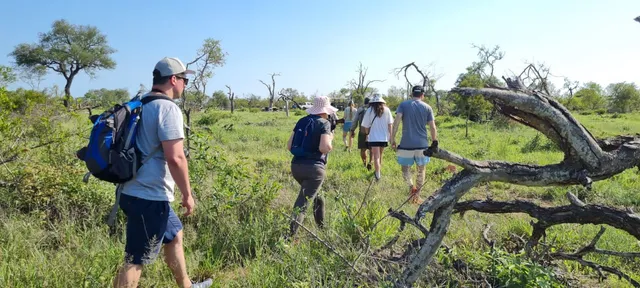
Guided nature walks are available in Kruger National Park usually done during the dry season when the routes are not muddy and with the help of a tour guide, you will be able to see many of Kruger’s hidden treasures.
There are several routes used on guided natural walks in Kruger National Park include
- The Pafuri cross – Border Trail
- The Olifants wilderness Trail
- Crocodiles River Trail
Kruger National Park Fees
The following are the park fees visitors are expected to pay depending on their category. These Kruger Park Fees might change depending on the management.
| Price per day for adults | Price per day for children | |
| Foreigners | 27 US dollars | 14 US dollars |
| South African residents and citizens | 7 US dollars | 4 US dollars |
| Southern African development community nationals that have passports | 14 US dollars | 7 US dollars |
Best Time to visit Kruger National Park
The best time to the Kruger National Park is the dry season from May to October for the best game viewing and walking safari conditions. The vegetation cover is low and sparse at this time of year, making animals easier to spot and track, while the permanent water sources offer a rewarding safari experience.
Generally, Kruger National Park is a year-round destination. Choosing exactly when to go the Kruger depends on what you want to experience. Kruger National Park has two distinct seasons, the dry winter from May to October, and the summer rainy season from November to April.
How to Get to Kruger National Park
Kruger National Park is a very accessible park and there are several entrances used to get to the park. Usually journeys to Kruger begin and end in Johannesburg or Cape Town. However, the most convenient option typically involves a direct flight to one of the airports in the area or directly to your safari lodge, meaning you won’t have to overnight in Johannesburg.
The OR Tambo Airport (JNB) in Johannesburg, is the main international airport in South Africa, to which there are flights from different parts of the world. Daily flights operate between Johannesburg and many of the private lodges surrounding the Kruger, this is the easiest and most convenient way to travel to the park. The flights take about 30 minutes and deliver you to the nearest airstrip of the lodge you are travelling to. On landing, our representative or ranger from your lodge or tour operator will meet you at the airstrip and transfer you by the game drive vehicle directly to your lodge.
There are several daily flights operating from Johannesburg to HDS, KMIA/MQP or SZK. Also, there are direct flights from Cape Town to Kruger National Park. From these airports you can be transferred either by escorted road transfer (2/3 hours each way) or by charter flight (approximately 25 minutes). If you are staying in the Sabi Sand Game Reserve, the most suitable airport would be KMIA/MQP and if you are staying further north, for example, in the Timbavati Game Reserve, then HDS is the best option.
Road transfer is also possible from Johannesburg, and it is a drive of six hours; the road is tarred and well maintained with clean service stations along the way.