Combining gorilla Trekking and Tanzania safari
Combining gorilla Trekking and Tanzania safari : The most amazing wildlife encounters in Africa can simply be blended into a single, life-changing experience. While Tanzania’s vast savannahs provide the classic safari experience, gorilla trekking in Uganda or Rwanda offers close interactions with our closest relatives. Combining these experiences, despite their geographical separation, is not only feasible but also becoming more and more popular among discriminating tourists looking for the best African wildlife experience.
We’ve compiled all the necessary advice for organizing a smooth trip that incorporates both experiences, making the most of your time, and guaranteeing the most fulfilling interactions with Africa’s amazing animals.
The Ideal Time to Merge
When organizing a Tanzania safari and gorilla trekking together, timing is everything. The good news is that the favorable circumstances for both significantly overlap.
The ideal time of year to go on a safari in Tanzania is during the dry season.
The best times of year to go gorilla trekking in Rwanda and Uganda are:
The brief dry season runs from December to February.
The long dry season runs from June until September.
The ideal safari seasons in Tanzania coincide:
June through October are dry seasons with great opportunities to see wildlife.
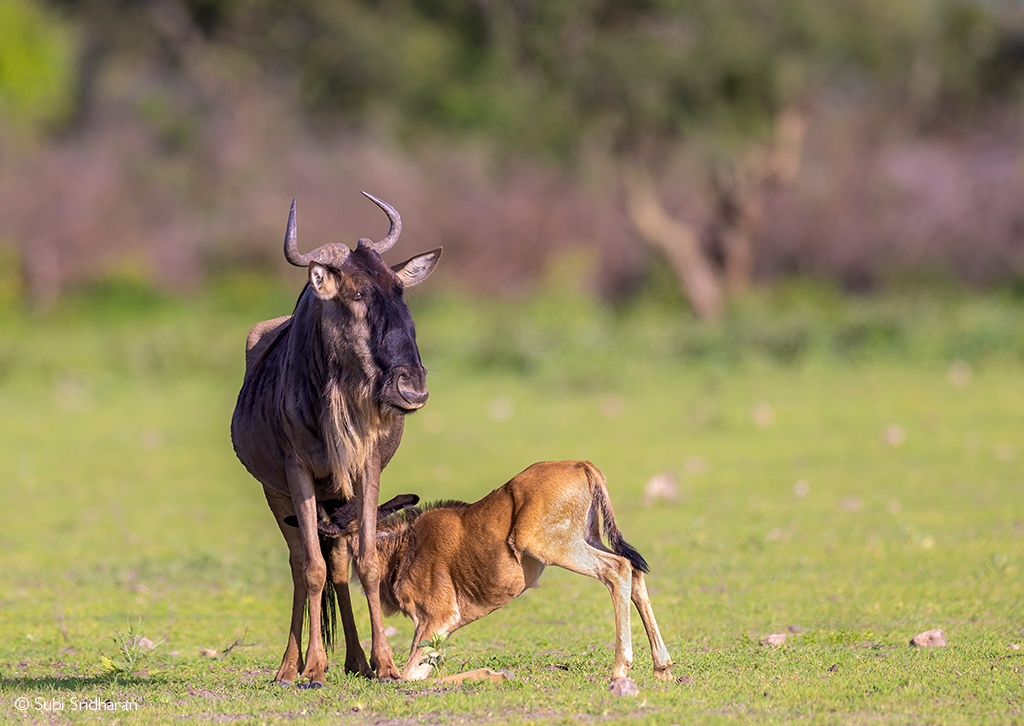
In the southern Serengeti, December through March is ideal for wildebeest calving.
When the Great Wildebeest Migration reaches the northern Serengeti, June through September is the best time of year for gorilla trekking and Tanzania’s busiest safari season. The greatest time to see this amazing natural phenomena, which includes the stunning river crossings, is thought to be from late June to August.
Considerations for the Regional Climate
Uganda vs. Rwanda: The forest is more dense and lush in Uganda since it is generally a little wetter than Rwanda. Despite being at a greater elevation, Rwanda’s Volcanoes National Park receives less rainfall than Uganda’s Bwindi Impenetrable Forest.
Variations in Tanzania: The rainy seasons in the southern Tanzanian parks (Nyerere, Ruaha) and the northern Tanzanian parks (Serengeti, Ngorongoro) fluctuate slightly, with the southern parks usually receiving more rain during the wet season.
Logistics: Scheduling and Reservations
Permits for Gorillas
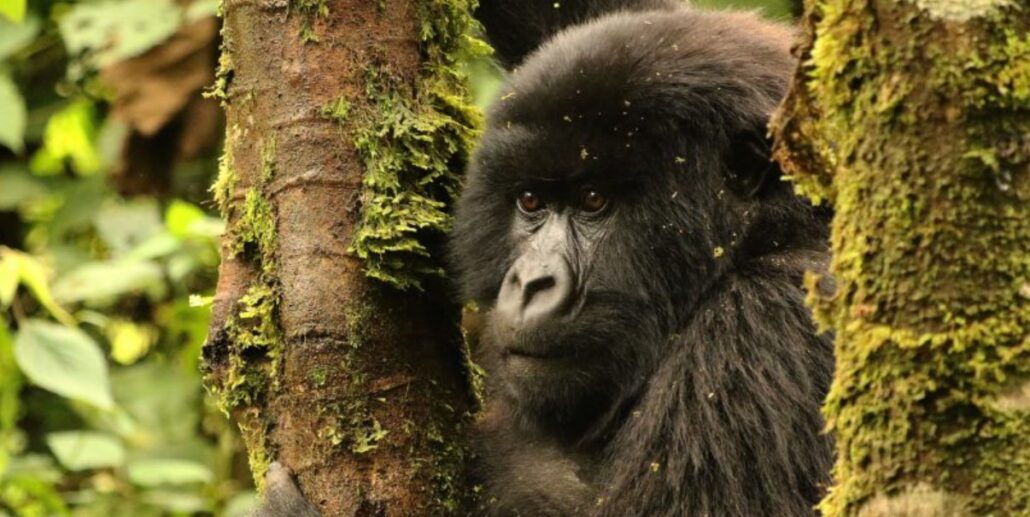
To trek and interact with mountain gorilla families, you must get a gorilla permit. As of 2025, gorilla permits in Rwanda cost US$1,500 per person, while those in Uganda cost about US$800. Particularly for visits during the busiest times of the year, these permits need to be obtained well in advance.
Before confirming flights and lodging, it is advised that you reserve permits as soon as possible and make sure they are available on the dates you have in mind. Permits sell out fast because of their limited supply, particularly during the busiest times of the year.
Health Requirements and Travel Documentation
Visas: Tanzania and Uganda require tourist visas for the majority of foreign visitors. You can travel via Rwanda, Uganda, Kenya, and Tanzania with an East African visa if you’re going to be in more than one country in the region.
Vaccinations: If traveling between these nations, a yellow fever vaccination is required. You will need to show a Yellow Fever Card if you are traveling from Kenya, Rwanda, Uganda, or Ethiopia to Tanzania. For the most recent vaccination information, it’s usually best to check with the travel clinic that’s closest to you. Hepatitis A and B, typhoid, and tetanus immunizations are also advised.
Health precautions: There is a risk of malaria in both areas of Tanzania and gorilla trekking. It is usually preferable to discuss this with your doctor or the closest travel clinic.
Transportation Across Nations
The most effective way to get from Tanzania’s safari areas to gorilla trekking spots is by air. Uganda (Entebbe) and Rwanda (Kigali) have direct flights to a number of Tanzanian locations.
Important routes consist of:
Kilimanjaro Airport or Dar es Salaam to Kigali (Rwanda)
Entebbe (Uganda) to Dar es Salaam or Kilimanjaro Airport
Direct flights (restricted schedule) from Kigali to airstrips in the Serengeti
Rwanda vs. Uganda When Including Tanzania
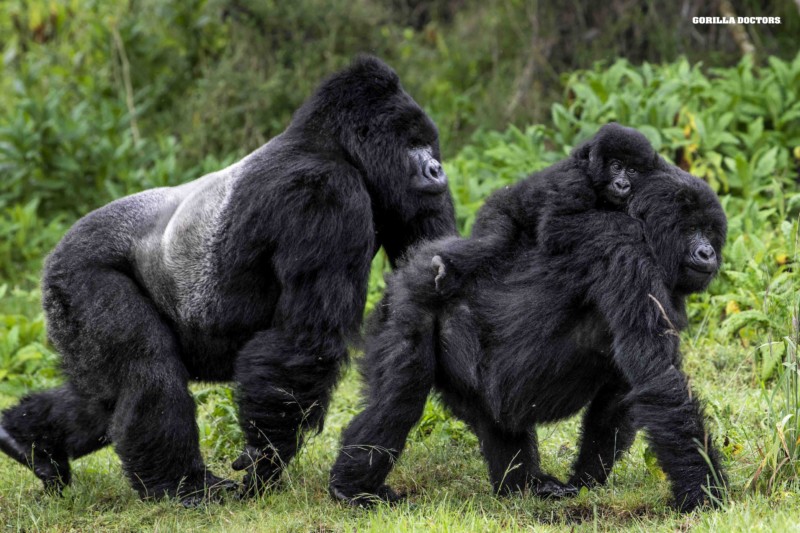
In Rwanda, a baby gorilla foot emerges from the thick undergrowth.
Close-up of a female Sabinyo mountain gorilla’s foot in the rainforest of Rwanda’s Volcanoes National Park in Central Africa
While both Rwanda and Uganda provide outstanding gorilla trekking experiences, there are a few significant distinctions that can affect your choice when organizing a Tanzanian trip.
Advantages of Uganda Gorilla Trekking:
Pros;
Less expensive permits (US$800 as opposed to US$1,500 in Rwanda)
Numerous gorilla families in various Bwindi Impenetrable Forest regions
Other animal encounters, including as trekking with chimpanzees in Kibale
Cons:
Generally, longer and more difficult hikes in dense forests
place that is a little farther away while connecting to Tanzania
Before flying to Tanzania, it is frequently necessary to spend the night in Entebbe.
Gorilla Trekking in Rwanda Advantages:
Pros:
Volcanoes National Park offers somewhat more comfortable trekking conditions.
Location that is easier to get to (2–3 hours from Kigali)
More alternatives for upscale lodging
Cons:
Increased permit fees
smaller woodland region that might see more people
Hidden Gems vs. the Great Wildebeest Migration
The Migration of Magic
With nearly 1.5 million wildebeest and hundreds of thousands of zebras and gazelles migrating in an annual clockwise cycle around the Serengeti-Mara ecosystem, the Great Migration is a breathtaking wildlife phenomenon that is referred to as the “Greatest Show on Earth.”
Even though the migration follows the same route each year, the advent of the rains has a significant impact on when the herds move. The pattern typically occurs at the following times:
December to March: During the calving season, herds congregate in the Ngorongoro Conservation Area and the southern Serengeti grasslands.
Movement toward the western and central Serengeti from April to June.
The most spectacular time of year is July through October, when the Northern Serengeti and Mara Rivers cross.
November : As the brief rains start, the herds head back south.
Tanzania’s Undiscovered Treasures
Tanzania has numerous undiscovered treasures that are just waiting to be discovered, even if the Serengeti is the glistening jewel in the tourism crown. You could embark on a gorilla trekking safari in some of Tanzania’s locations, including:
Tarangire National Park is well-known for its massive elephant herds and majestic baobabs, which are most productive during the dry season.
Africa’s largest game reserve, Nyerere National Park (previously Selous), offers a variety of animals and boat safaris along the Rufiji River.
One of Tanzania’s wildest parks, Ruaha National Park has few visitors and good predator sightings.
Rubondo Island : A peaceful island location in Lake Victoria with amazing chimpanzee trekking.
How to Fly:
The Suggested Method for Traveling Between Each Nation
The most effective way to combine a Tanzanian safari with gorilla trekking is by air travel. Between the main hubs in Rwanda, Uganda, and Tanzania, a number of airlines offer both scheduled and charter flights.
Considerations for Road Travel
Although it is technically feasible to travel by road between Tanzania and gorilla trekking areas, most travelers find it impracticable because to the enormous distances, border crossings, and unpredictable road conditions. For example, it takes approximately 16+ hours to drive the 592 miles (590 kilometers) from Kigali to the Serengeti.
Which Order Is Best for This?
The best order for the majority of travelers is:
Trekking with Gorillas First, Safari Second
This arrangement is based on the idea that since gorilla trekking is physically taxing, it’s preferable to do it when you’re feeling rejuvenated. The relaxed pace of a safari is a pleasant diversion from the strenuous nature of hiking. Enjoy the famous Serengeti sunsets to cap off your trip, or consider extending your vacation to Zanzibar.
Gorilla trekking should take two to three days, and your Tanzania safari should last four to five days. It is advised to take a day off in between the two events if you have the time.
Preservation and Conscientious Travel
Using Tourism to Promote Gorilla Conservation
A sizeable amount of gorilla permit costs in Rwanda and Uganda directly fund conservation initiatives: over 75% of the fees go to gorilla conservation projects, 10% to local communities, and 15% to the government. These monies support community development initiatives, habitat expansion and protection, anti-poaching patrols, and gorilla family monitoring.
Tanzania’s Success with Conservation
With further advantages for the local community, Tanzania’s national parks model also allocates tourism-related income to conservation. Asilia’s Tanzanian conservation initiatives help:
vital wildlife corridors that preserve routes for migration
Community-based conservation programs
Projects to restore habitat
Operations to prevent poaching