Rwanda’s cultural etiquette
Rwanda’s cultural etiquette : Rwanda is a country where manners speak louder than words, in addition to its breathtaking economic change, rolling hills, and wildlife safaris. Understanding and adhering to social and cultural etiquette is not only polite for guests, but it also serves as a potent doorway to appreciation, connection, and authenticity. Every culture has an unseen set of social norms that are influenced by customs, history, and shared values. This foundation is profound, strong, and revered in Rwanda.
Travelers may unintentionally offend, alienate, or miss out on valuable conversations if they disregard certain cultural expectations. On the other hand, people who take the time to observe and absorb Rwandan etiquette frequently find themselves accepted into areas that are normally off-limits to foreigners. Even though Rwanda is progressive and connected to the rest of the world, traditional values nevertheless play a significant part in daily life, particularly when it comes to social hierarchy, communication, attire, and hospitality.
This essay delves thoroughly into the cultural dos and don’ts that every traveler to Rwanda should be aware of, not as a list but rather as a manual for navigating one of the most emotionally astute societies in Africa with poise and cultural awareness.
Salutation: A Custom of Mutual Recognition
In Rwanda, greetings are neither hurried nor optional. They are based on respect for one another and are seen as fundamental gestures of human acknowledgment. A polite welcome is expected when you walk into a store, meet a stranger, or start a conversation. “Muraho,” which means “hello,” is the most widely used greeting among Rwandans. It is frequently followed with “Amakuru?”—”How are you?” “Ni meza,” or “I’m fine,” is the usual response.
Outsiders may find this procedure formal or monotonous, but it represents Rwanda’s cultural emphasis on social peace and respectful participation. Regardless of how informal the situation may appear, skipping greetings is seen as rude. Before completing any business, it is both expected and greatly appreciated to pause and exchange pleasantries, particularly in rural communities.
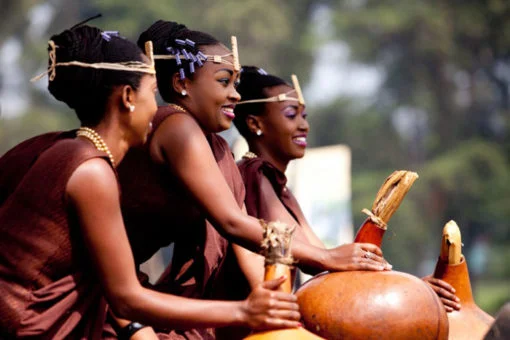
Even though handshakes are frequent, they are often mild and may involve a small bow or the left hand touching the right elbow. A bow or kneeling position may be seen in more traditional situations or among elders, particularly from women. These actions are contemporary manifestations of humility and recognition of one’s age or status rather than artifacts from the past.
An ingrained social value is respect for authority figures and elders.
Age and hierarchy are important factors in Rwandan society. Elders’ opinions are given significant weight and they are addressed in a formal manner. Younger people are expected to listen intently, give space, and politely express agreement or disagreement in both public and private contexts.
Officials, educators, and leaders are all treated with respect. Direct conflict is avoided, particularly in public. Conflicts are frequently resolved through formal channels, mediated discussions, or indirect communication. Foreigners are supposed to pay attention to the tone of the room and err on the side of modesty, but they are not expected to understand every detail.
Not being respectful in these situations is not only a social faux pas; it can also be seen as an insult to oneself or a sign of conceit. Conversely, visitors are frequently rewarded with broader access to conversations and groups when they demonstrate sensitivity to these underlying dynamics.
Dress and Physical Appearance: Modesty Meets Modernity
While Rwanda is a modern society, it remains conservatively dressed in many aspects of daily life. In urban centers like Kigali, stylish attire is common, but it rarely veers into the provocative or overly casual. In rural and religious areas, the expectations tighten further, with modesty being a visible marker of respect.
Travelers are encouraged to avoid overly revealing clothing, particularly when visiting churches, memorial sites, schools, or villages. Shoulders, thighs, and cleavage are best covered. While Rwandans are unlikely to confront foreigners about clothing directly, judgment may be silently passed, and opportunities for warm engagement may narrow.
Personal hygiene and grooming are also important. Clean, neat, and well-maintained appearances are associated with self-respect and consideration for others. A disheveled look, especially in formal settings, may be interpreted not as individualism but as disrespect for those present.
Communication Style: Measured Words, Deep Meaning
Rwandan communication tends to be indirect, nuanced, and rooted in emotional intelligence. While Western styles often emphasize directness and transparency, Rwandan conversations value restraint, subtext, and attentive listening. Interrupting someone or speaking loudly in public is frowned upon. Likewise, sarcasm, overt criticism, or making others lose face in group settings can have damaging consequences.
When asking questions, disagreeing, or expressing opinions, it is more appropriate to use a soft tone and indirect phrasing. For example, rather than saying “You are wrong,” one might say, “I see it differently,” or “Could there be another way to view this?” These subtle shifts in language reflect not just politeness, but a deep cultural commitment to unity and peace.
Humor is appreciated but must be used cautiously. Jokes involving ethnicity, politics, or personal appearance are entirely off-limits. In Rwanda, emotional control is a virtue. Losing one’s temper in public or displaying anger is not only embarrassing—it is viewed as a breakdown of maturity and decorum.
Dining and Hospitality: Gratitude Without Excess
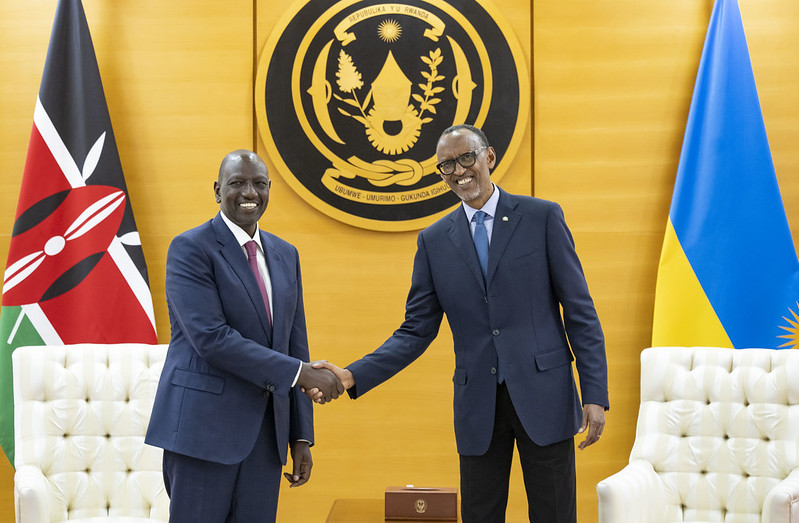
When invited into a Rwandan home, the guest is considered an honored presence. Removing one’s shoes at the entrance may be expected, especially if others are seen doing the same. Hosts often serve drinks and meals generously, and it is polite to accept them, even if just symbolically. Refusing to eat or drink without a valid reason may come across as rude or ungrateful.
Meals are usually simple but thoughtfully prepared. Speaking about food while eating, or commenting on quantity or preparation methods, is considered inappropriate unless specifically invited to do so. Compliments about the host’s generosity or home, however, are welcomed and expected.
It is customary to wash hands before and after meals, especially when eating with the hands, which is common in traditional settings. The right hand is used for eating and giving or receiving items. The left hand is considered unclean in this context and should be avoided for such exchanges.
Sensitive Topics: Tread Gently with History and Identity
Rwanda’s history, particularly the 1994 Genocide against the Tutsi, is a deeply painful and complex subject. While memorials, museums, and public education have made remembrance a national priority, this is not a topic to be raised casually or for curiosity’s sake. Asking personal questions about ethnicity, family history, or political views is strongly discouraged unless someone volunteers that information.
When visiting genocide memorials, somber dress, silence, and respectful comportment are non-negotiable. Photography may be restricted or culturally inappropriate, particularly if used for personal promotion rather than respectful documentation.
Understanding this painful chapter of Rwanda’s past is essential, but it must be approached with humility, compassion, and discretion. Doing so shows an alignment with Rwandan values of unity, resilience, and collective healing.
Environmental and Social Etiquette: Rwanda’s Model of Discipline
Rwanda is widely regarded as one of the cleanest countries in Africa, and this is no accident. Monthly community cleaning days, known as “Umuganda,” involve citizens coming together to maintain public spaces. Visitors should take this model seriously. Littering, spitting, or ignoring public cleanliness laws can result in fines and public disapproval.
Plastic bags are banned. Smoking in public places is discouraged. Loud phone conversations in shared spaces are frowned upon. These expectations, far from being restrictive, reflect Rwanda’s national culture of order, shared responsibility, and civic pride.
Even when taking photos, one must first seek permission—especially when photographing people, children, or protected sites. This isn’t just a legal guideline; it’s a matter of cultural consent and dignity.
Navigating Rwanda Gracefully: A Rewarding Cultural Exchange
To travel in Rwanda is not merely to observe its landscapes or attractions—it is to step into a carefully maintained fabric of civility and shared values. The country’s etiquette is not about rules or punishments—it is about belonging. Visitors who honor Rwandan norms often find themselves not only tolerated but deeply welcomed. Shared meals, honest conversations, and meaningful friendships await those who move with cultural intelligence.
In a world where speed and self-interest dominate, Rwanda offers a refreshing alternative: a society built on courtesy, patience, and deep emotional literacy. Respect here is not just extended—it is expected. But those who offer it sincerely are never left unrewarded.
Travel Deeper, Travel Smarter with Select Adventure safaris
For travelers seeking to explore Rwanda with cultural respect and personal enrichment, we provide guided experiences rooted in local knowledge and sensitivity. From cultural tours to community visits, each itinerary is designed not just for sightseeing, but for meaningful encounters and responsible tourism.