10 Most dangerous animals in Africa
10 Most dangerous animals in Africa : The African continent is recognized for its extraordinary variety of wildlife. Its many species include some of the most fearsome and perilous creatures on the planet, dreaded for their violence and lethal assaults. This select adventure safaris write up provides more information about Africa’s most perilous creatures.
Apart from the “Big Five,” Africa hosts numerous other aggressive and perilous creatures.
Hippos
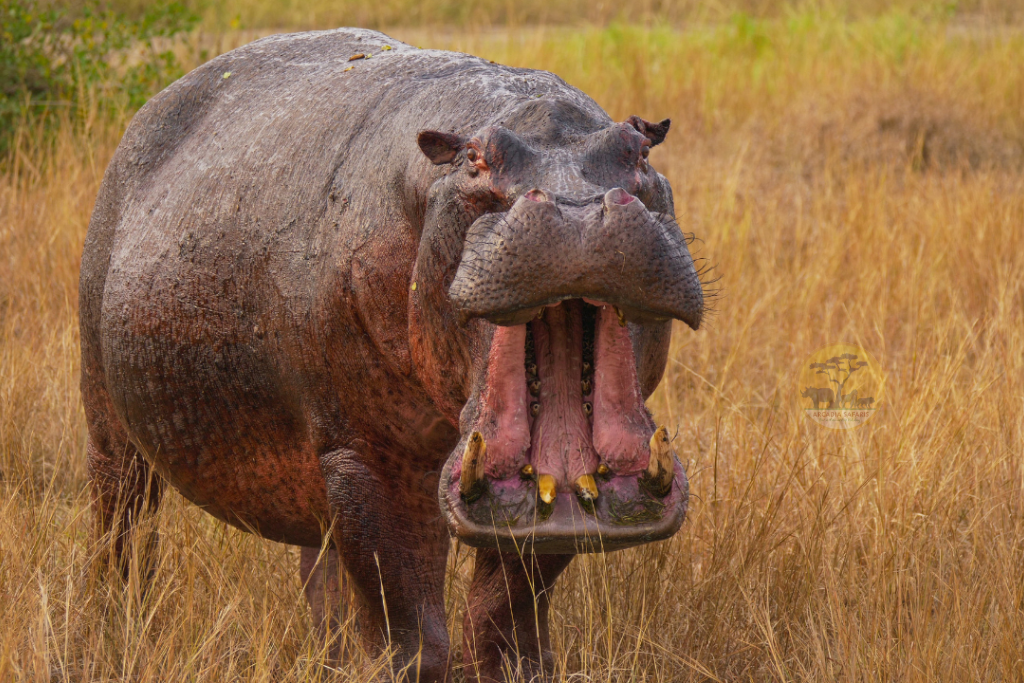
The hippopotamus is a huge mammal that’s best to stay away from. It is found in sub-Saharan regions, residing in rivers, lakes, and swamps. A hippo, which can weigh as much as 1,500 kg (3,300 lbs), can attain speeds of up to 30 km/h (18.6 mph) on land and 13 km/h (8 mph) in water. It is noteworthy that hippos do not swim like most animals. Rather than swimming, they move by pushing off the riverbed or walking along it, utilizing their buoyancy to glide between steps.
Are hippos the most lethal creatures in Africa?
Hippos rank among the most perilous creatures in Africa. Though the hippo is a herbivore and looks peaceful, it is very aggressive and unpredictable, frequently attacking for no obvious reason.
Hippos are responsible for approximately 500 human deaths annually, as per recent estimates, which is more than the number of fatalities caused by lions or elephants. The majority of disputes arise when hippos protect their territory. Those affected are frequently local residents who approach the water and fishermen (including those in boats).
Within the animal kingdom, hippos have almost no natural enemies. Their thick skin shields them from the teeth of predators, and few are brave enough to assault such massive creatures. Only young hippos occasionally become victims of crocodiles, lions, or hyenas.
Buffaloes
A herbivore with a notorious temper, the African or Cape buffalo is known for its aggression. They are found in various landscapes across sub-Saharan Africa, ranging from rainforests to open savannahs and woodlands, and typically remain near water sources.
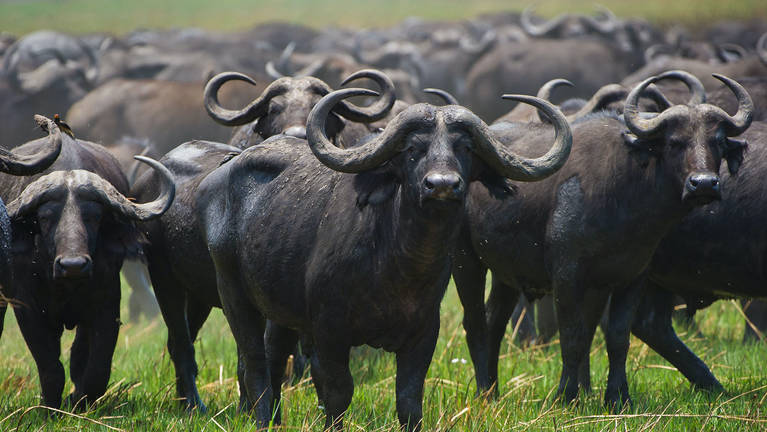
These strong creatures weigh 700–900 kg (1,540–1,980 lbs), possess dark brown or black fur, and have uniquely curved horns. Buffaloes inhabit herds that can consist of dozens to hundreds of individuals. They can come together in larger groups during dry seasons or mating periods. Herds are primarily composed of adult females, calves, and young males, with older bulls typically staying on the edges. This arrangement facilitates effective protection against predators such as lion prides.
The African buffalo is included in the “Big Five” — a group of animals known for their aggression and strength, as well as their fierce defense of themselves, their young, and their territory. Even older solitary males who have been expelled from the herd represent a significant danger. Without any sign of aggression, they might assault a human or animal that is nearing them, even if it is unexpected. Due to their limited eyesight, buffalo depend on their acute sense of smell and hearing for evaluating their environment. This dependence can result in false alarms and preemptive strikes “just in case.”
In Africa, cape buffaloes are estimated to cause around 200 human fatalities each year, leading to their nicknames such as “Black Death” and “widowmaker.”
Their primary natural foes are lion prides and crocodiles, which usually aim for the young or vulnerable. However, when they have the option, predators tend to choose prey that is less risky to hunt, such as zebras or antelopes.
Nile Crocodile
The Nile crocodile represents the largest freshwater predator in Africa. From Egypt to Senegal and South Africa, it resides in rivers, lakes, and swamps. The usual length of adult males is 3.5–5 meters (11.5–16.4 feet), with a weight of 300–700 kg (660–1,540 lbs).
Its long body, which is green or grey-brown in color, offers perfect concealment in muddy water. With 64–68 sharp teeth, the crocodile has strong jaws. Although their primary diet consists of fish and waterbirds, adult crocodiles often prey on mammals like antelopes, zebras, and buffaloes, as well as apex predators such as lions and leopards that are caught off guard near water.
With their specialized respiratory and circulatory systems, crocodiles can remain nearly motionless underwater for up to an hour while ambushing prey. The victim is usually drinking when they strike suddenly, pulling them under the water. Assaults on people are also fairly common.
Lion
Lions, being among Africa’sug largest predators, serve a vital function in savanna ecosystems. Nonetheless, their range has been considerably diminished in comparison to earlier times. Lions today are mainly located in eastern and southern Africa, with the largest population found in Tanzania. There are also small isolated groups in western and central regions. They favor savannas, grasslands, and open woodlands.
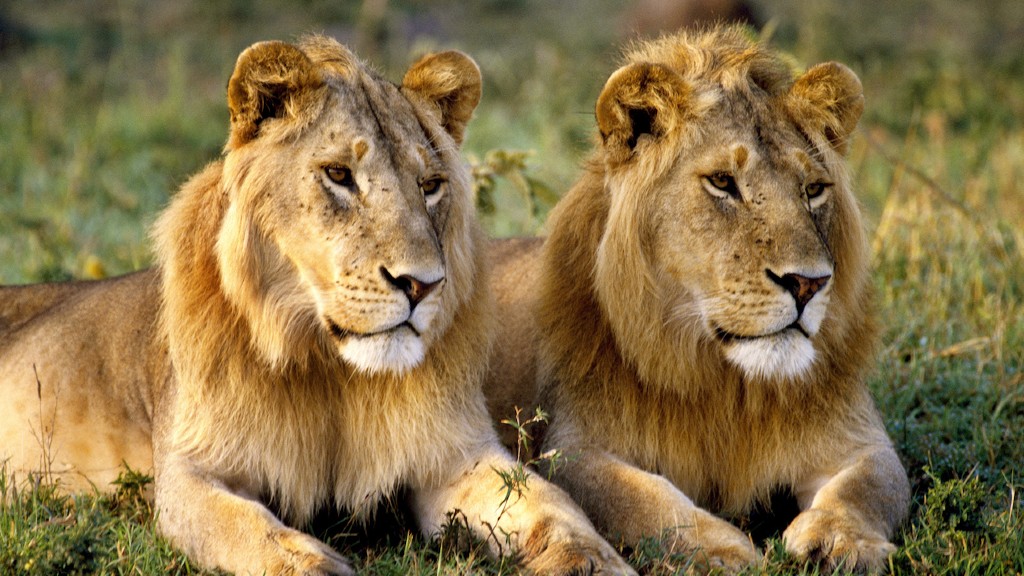
Lions, unlike other big cats, inhabit prides—groups of several adult males and females. This social structure provides advantages for hunting, safeguarding young ones, and defending territory. Depending on prey density, these territories can range from 20 to 400 square kilometers (7.7–154 square miles). The fewer the prey, the greater the required area.
Lionesses do the majority of hunting within the pride. They are lighter and more agile, working in tandem to set ambushes for prey and reaching speeds of up to 80 km/h (50 mph) while pursuing. Their capabilities allow them to bring down wildebeests, zebras, buffaloes, and even juvenile elephants or giraffes. In many cases, hunting large animals necessitates assistance from the males.
Lions seldom assault humans, and it is almost never for the purpose of food. The majority of incidents take place in rural locales adjacent to reserves and national parks, as individuals reside in proximity to predators. Each year, around 250 individuals succumb to deadly encounters with lions.
Leopoards
The leopard, a spotted and agile predator, is renowned for its strength and stealth. It can be found throughout sub-Saharan Africa, ranging from rainforests to open savannas. It can run at speeds of up to 60 km/h (37 mph) and leap as far as 6 meters (19.7 ft) and as high as 3 meters (9.8 ft), thanks to its muscular physique and low center of gravity.
The animal’s coat, which is adorned with patterns, offers superb camouflage in the dappled light of the forest or among the tall grasses of the savanna. Leopards are primarily solitary and nocturnal, spending the day resting in trees or dense vegetation and hunting at night.
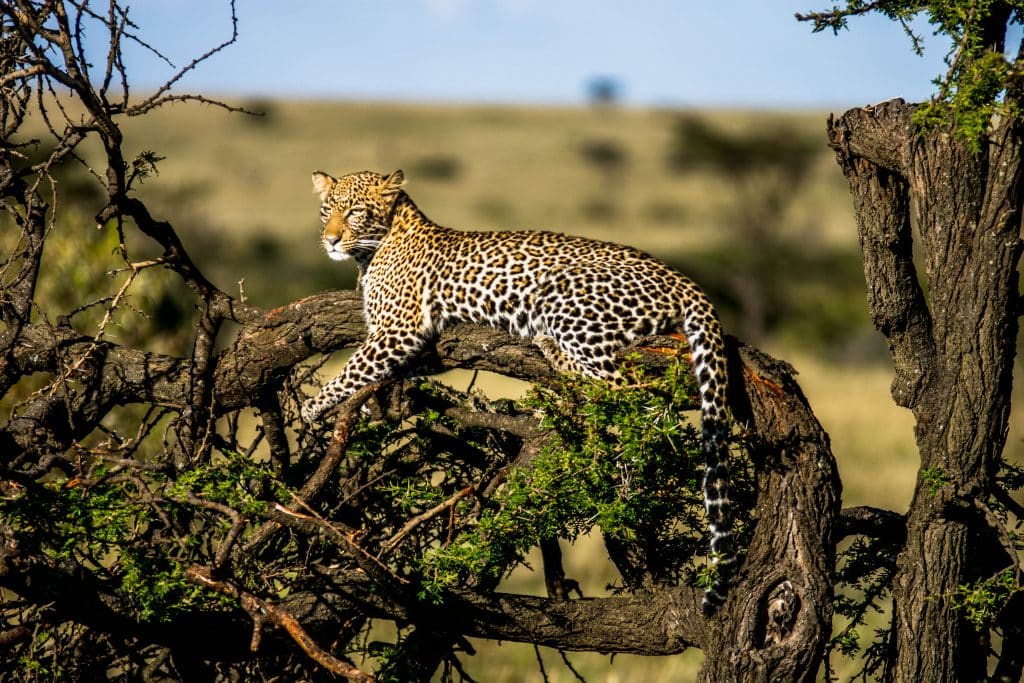
Their fierce aggression when cornered or taken by surprise is well known. A leopard that is frightened or wounded is regarded as one of the most perilous creatures — it attacks with lightning speed, causing severe injuries with its fangs and claws. They are recognized for their ability to attack hunters even post gunfire, thus securing their status among the “Big Five.”
Depending on their habitat, their diet is highly varied. They pursue big ungulates, along with monkeys, birds, hares, lizards, and even scavenged remains. A characteristic behavior of theirs is to transport prey larger than themselves into trees for safekeeping from hyenas or lions.
Rhinos
There are two species of rhinos in Africa: the white and the black. Weighing between 1,800 and 2,400 kg (3,968–5,291 lbs), the white rhino is the second-largest land mammal after the elephant and is typically peaceful and social. Black rhinos, weighing between 800 and 1,400 kg (1,764–3,086 lbs), are smaller in size but are notorious for their temperament and aggression.
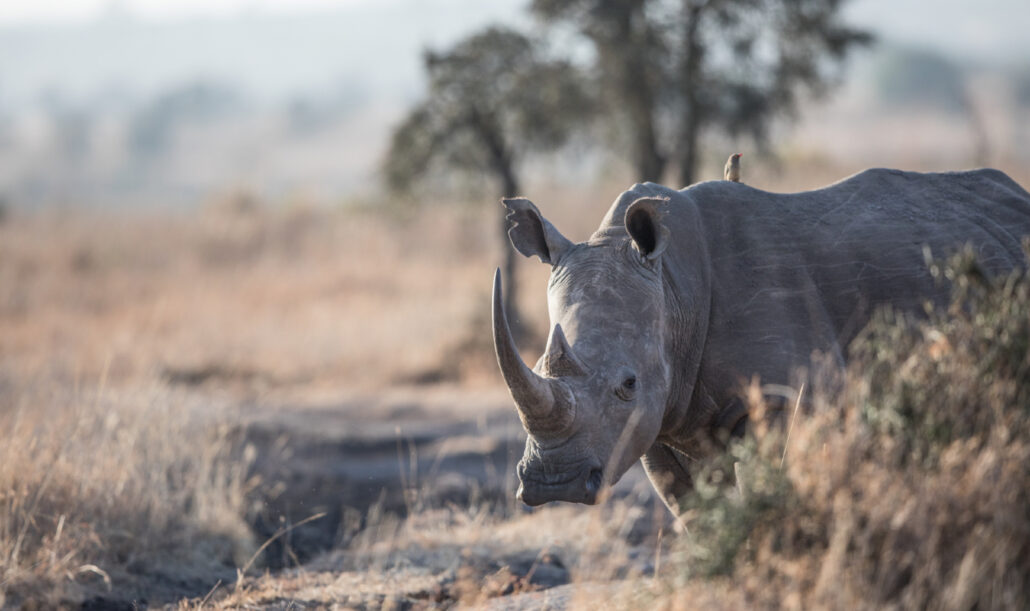
Typically, black rhinos are solitary creatures found in regions with thick shrubbery. Due to their poor eyesight, they can easily be startled by sudden movements or unfamiliar scents, resulting in an immediate attack. Calf-bearing females and solitary males exhibit heightened aggression. Although they are not predators, their aggression serves a defensive purpose. While charging, they attempt to flip their target with their horns and may trample it — a behavior lethal even to major predators.
Spotted Hyena
Though it has been unjustly branded a cowardly scavenger, the spotted hyena is a clever and sociable predator. In reality, they are proficient hunters and rank among the most perilous carnivores in Africa.
Their distribution covers almost the entirety of sub-Saharan Africa. They can be found in various locations, including the East African savannas of Serengeti National Park in Tanzania, semi-deserts of southern Africa, mixed forests of Zambia, hills of Ethiopia, and even close to major urban areas. Hyenas inhabit intricate social structures known as clans, comprising dozens of individuals and headed by dominant females that are larger and more aggressive than their male counterparts.
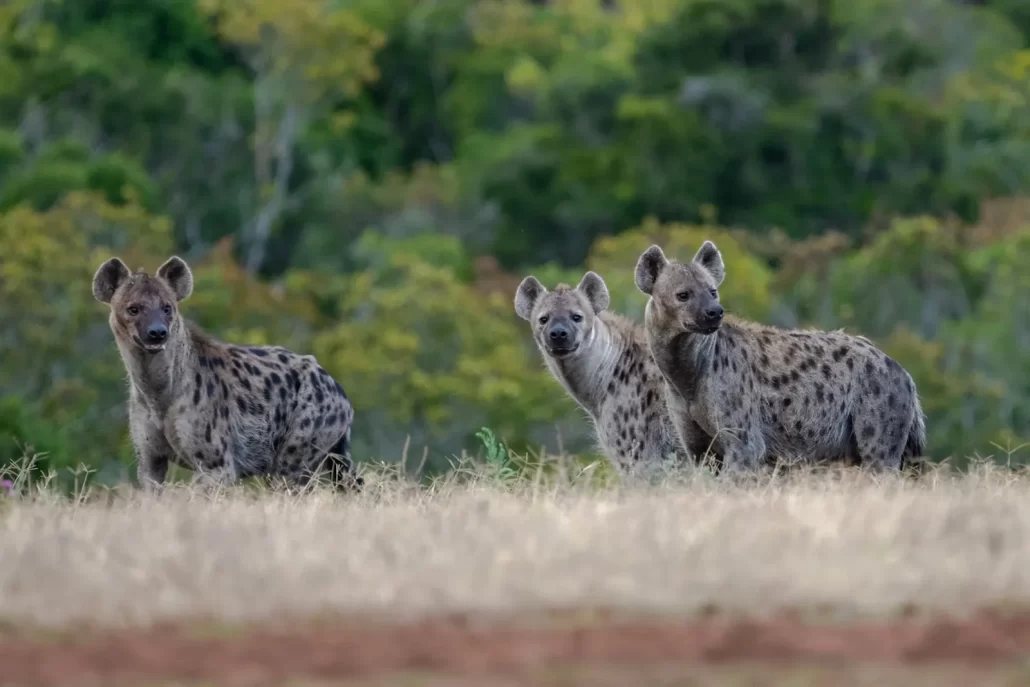
Their diet includes wildebeest, zebras, impalas, gazelles, buffalo calves or weakened adults, and giraffe young. Though long thought to rely mainly on scavenging, studies, including those by zoologist Hans Kruuk, show that hyenas often hunt on their own. Their hunting tactic involves exhausting the prey: strong legs and incredible stamina let them chase animals for long distances, biting at the legs until the prey collapses. Hyenas do not shy away from conflicts with other predators unless outnumbered.
Elephant
.The largest land animals on Earth, elephants are known for their gentle nature and immense strength. African elephants live across much of the continent — from eastern savannas to forests and semi-deserts in the west and south.
They are highly intelligent, social mammals with a matriarchal herd structure. Families usually consist of up to 15 individuals, led by an elder female and including her offspring and grand-offspring. Adult males live alone or in bachelor groups, joining the main herd only during mating season.
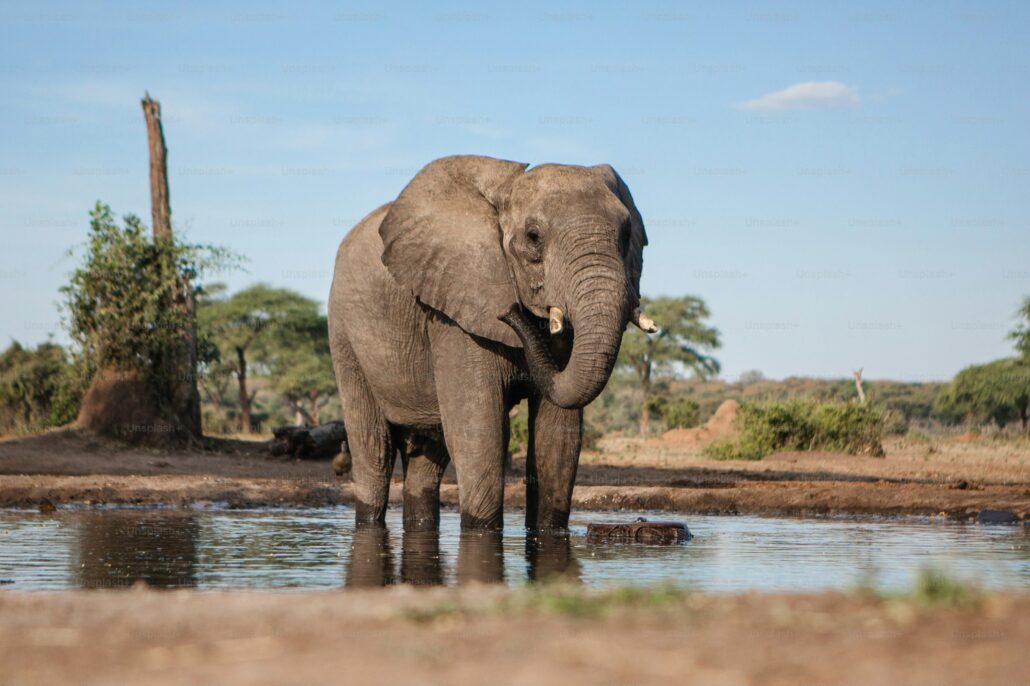
Elephants are generally tolerant of other savanna residents and have few natural enemies. Because of their size, adults are nearly invulnerable to predators. Only very large lion prides might risk attacking a weak or young elephant, and even that is rare.
This lack of threat means elephants are not usually aggressive, but when they feel seriously threatened, they respond instantly. Elephants often issue warnings before attacking — flapping ears, swinging trunks, and making loud trumpeting sounds.
If provoked, an adult elephant weighing 5–6 tons (11,000–13,200 lbs) may charge, strike with its trunk or tusks, and trample the threat. Such behavior may be triggered by danger to a calf or, in males, by musth — a period of heightened testosterone. During musth, elephants are highly unpredictable and may show aggression without clear reason.
Honey badger
The honey badger, also known as the ratel, is a relatively small predator (60–80 cm or 24–31 in long, weighing 7–13 kg or 15–29 lbs), yet it has earned a reputation as the world’s most fearless animal — even noted in the Guinness World Records. It is found throughout sub-Saharan Africa in plains and foothills, avoiding only dense rainforests and extreme deserts. It mostly lives alone, except during mating season.
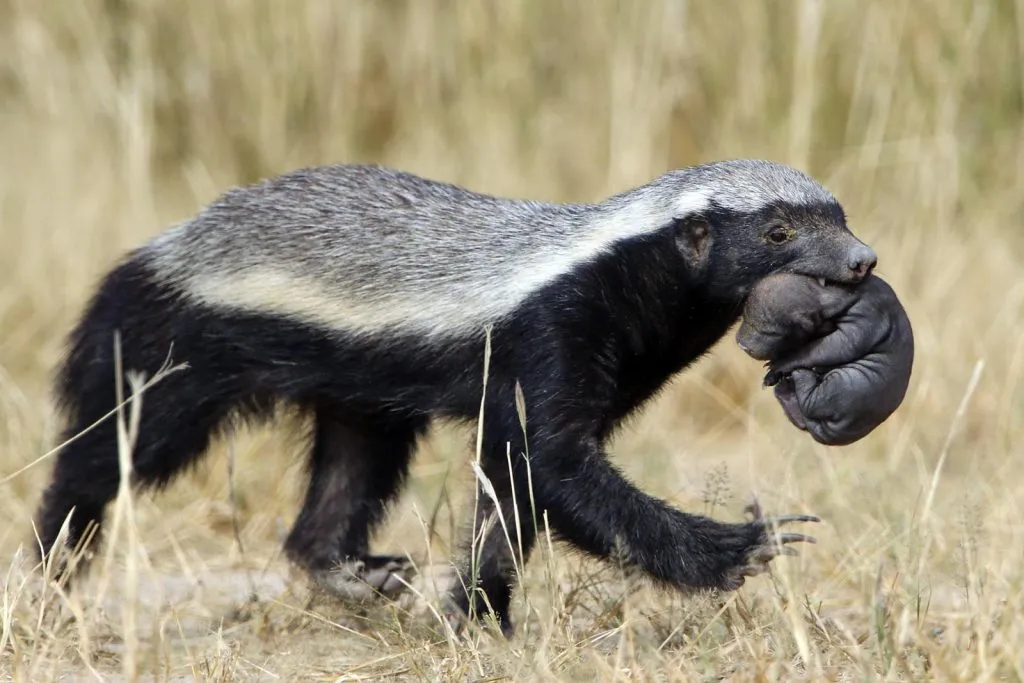
Honey badgers have incredibly tough, loose-fitting skin up to 6 mm (0.24 in) thick, making them nearly immune to predator attacks. Even when bitten at the scruff, they can twist around and counterattack with sharp teeth and claws. Snake, scorpion, and bee stings also have little effect. Research from the University of Minnesota has shown that honey badgers have immune systems capable of resisting venom that is deadly to other mammals.
They eat a wide variety of foods — honey, small rodents, birds, snakes, scorpions, insects, reptiles, and even carrion. Honey badgers fiercely defend their kills, fighting off hyenas, lions, and leopards if necessary.
Black mamba
The black mamba is a legendary African snake known for its speed, aggression, and highly toxic venom. It is considered the deadliest snake in Africa and one of the most dangerous in the world. Its habitat includes savannas, woodlands, and rocky areas in East, Central, and Southern Africa.
Despite the name, it is not black on the outside — its body is typically gray-olive or brown. The “black” refers to the dark color inside its mouth. It can reach 2.5–4.3 meters (8.2–14.1 ft) in length and reach speeds of 16–20 km/h (10–12.4 mph) over short distances. Combined with its potent neurotoxic venom, this makes it extremely dangerous.
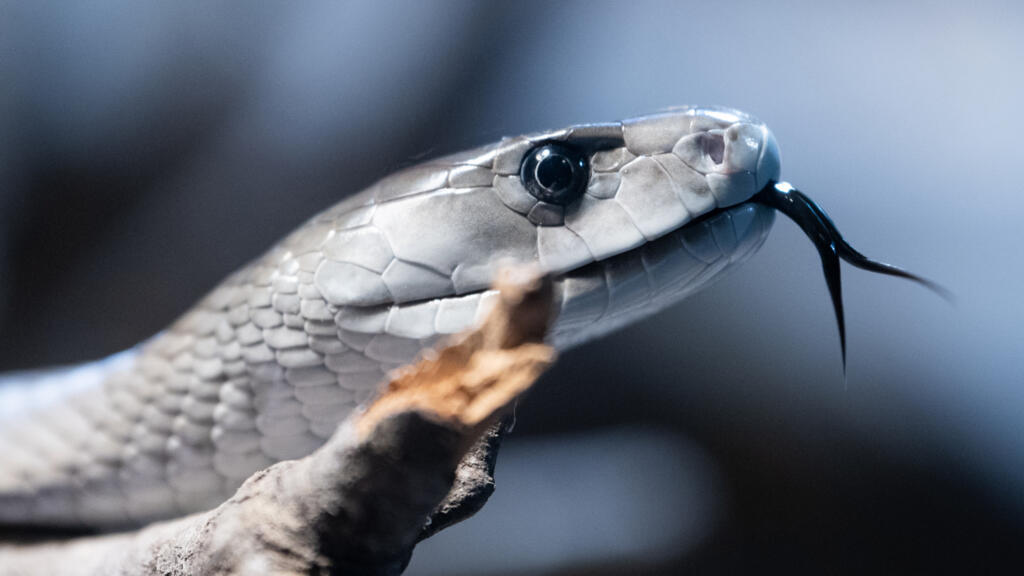
Black mambas are actually quite shy and usually try to escape when threatened. But if escape isn’t possible, they respond with intense aggression — raising the front third of their body, opening their mouth to show the black interior, hissing, and making mock strikes. If the threat persists, they deliver multiple rapid bites. The venom causes respiratory paralysis and heart failure. Symptoms may appear within 10–15 minutes, and without prompt medical help, death can occur in 4–16 hours.
They feed on rodents and small birds. Their natural predators include birds of prey like eagles and secretary birds, which strike at the head with claws or beaks. Interestingly, honey badgers also hunt black mambas.
What is the most dangerous animal in Africa?
The black mamba is widely regarded as one of the most dangerous and deadliest animals in Africa, as well as one of the deadliest snakes in the world. Known for its aggressive nature, it can deliver a lethal dose of venom in just a single bite.
Other highly dangerous snakes in Africa include cobras, vipers, and the boomslang. While the boomslang has the most toxic venom of any snake, it is generally shy and tends to avoid confrontation, making it less of an immediate threat than the black mamba.
What animal kills the most humans in Africa?
The mosquito. Each year, around 230 million people in Africa are infected with malaria, which is transmitted through mosquito bites. About 500,000 of them die.
What are the 10 most dangerous animals in Africa?
The 10 most dangerous animals in Africa are:
Hippopotamus
Buffalo
Nile crocodile
Lion
Leopard
Rhinoceros
Spotted hyena
Elephant
Honey badger
Black mamba